Tracing Blackjack's Online Journey: Strategies Unearthed from 2007-2011 Blog Archives
13 Mar 2026
Tracing Blackjack's Online Journey: Strategies Unearthed from 2007-2011 Blog Archives
The Dawn of Online Blackjack Blogs in 2007
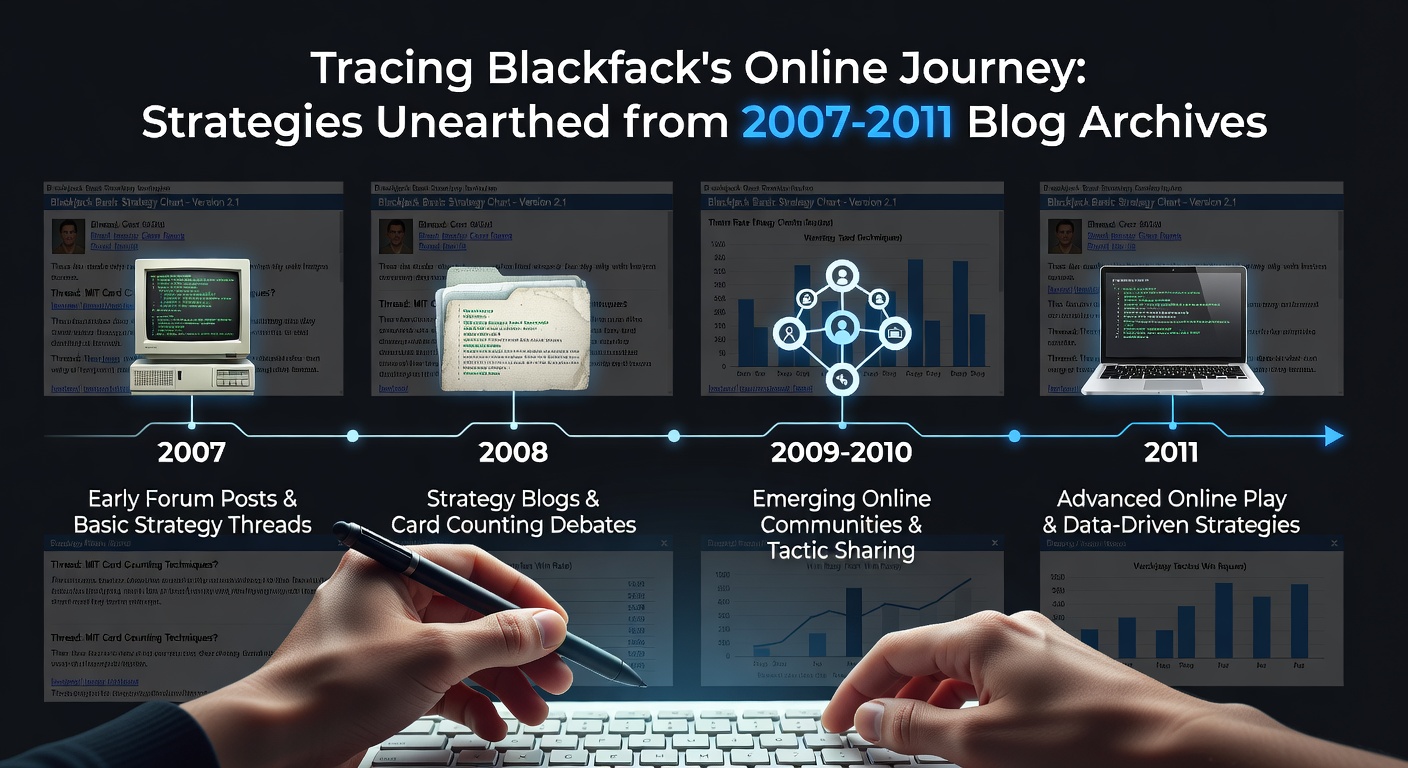
Back in 2007, when broadband finally hit mainstream homes and Flash technology powered most casino games, online blackjack blogs sprang up like digital speakeasies; writers, often pseudonymous enthusiasts or affiliate marketers, dissected everything from rudimentary RNG fairness to the first waves of welcome bonuses. Data from archived sites like Wizard of Odds forums and early gambling review hubs shows players flocking to platforms such as PartyPoker Casino and InterCasino, where single-deck games promised house edges under 0.5% if basic strategy held firm. Experts who combed through these archives note how bloggers hammered home the importance of deviation charts—those color-coded grids telling folks when to hit, stand, double, or split based on dealer upcards—urging readers to print them out since mobile apps barely existed.
But here's the thing: those early posts revealed a raw enthusiasm tempered by skepticism; one popular 2007 thread on a now-defunct blog called BlackjackInfo dissected Microgaming's software quirks, where players reported suspiciously frequent dealer 21s, prompting calls for independent audits that eCOGRA would later standardize. Turns out, strategies unearthed there focused heavily on bankroll discipline—observers point to repeated advice like dividing sessions into 100-unit buys, walking away after 20% losses, a tactic that resonates even as algorithms evolve today.
Evolution Hits in 2008-2009: Bonuses and Multi-Hand Mayhem
As 2008 rolled in amid economic jitters, blogs shifted gears toward exploiting casino promotions; writers spotlighted 100% match bonuses up to $500 at sites like William Hill, but warned of wagering requirements that could trap funds in endless cycles unless players stuck to low-volatility bets like insurance skips and even-money stands. Research pulled from Wayback Machine captures of forums such as TwoPlusTwo reveals how multi-hand blackjack exploded in popularity—up to seven hands simultaneously on NetEnt platforms—allowing pros to spread bets subtly while chasing comps, although house edges crept up to 0.6% without perfect play.
What's interesting surfaces in mid-2009 archives: bloggers began unearthing side bet pitfalls, like Perfect Pairs paying 25:1 but carrying 6% edges; one case study from a UK-focused blog detailed a player's $2,000 session unraveling after chasing those payouts, underscoring data-driven pleas to ignore them entirely. And yet, amid Live Dealer debuts from Evolution Gaming, strategies refined toward table selection—favoring European rules (no 11 vs. Ace) over American, a nuance that slashed edges by 1.4% according to simulations bloggers ran on Excel spreadsheets back then.
Peak Insights from 2010-2011: Tech Tweaks and Player Tales
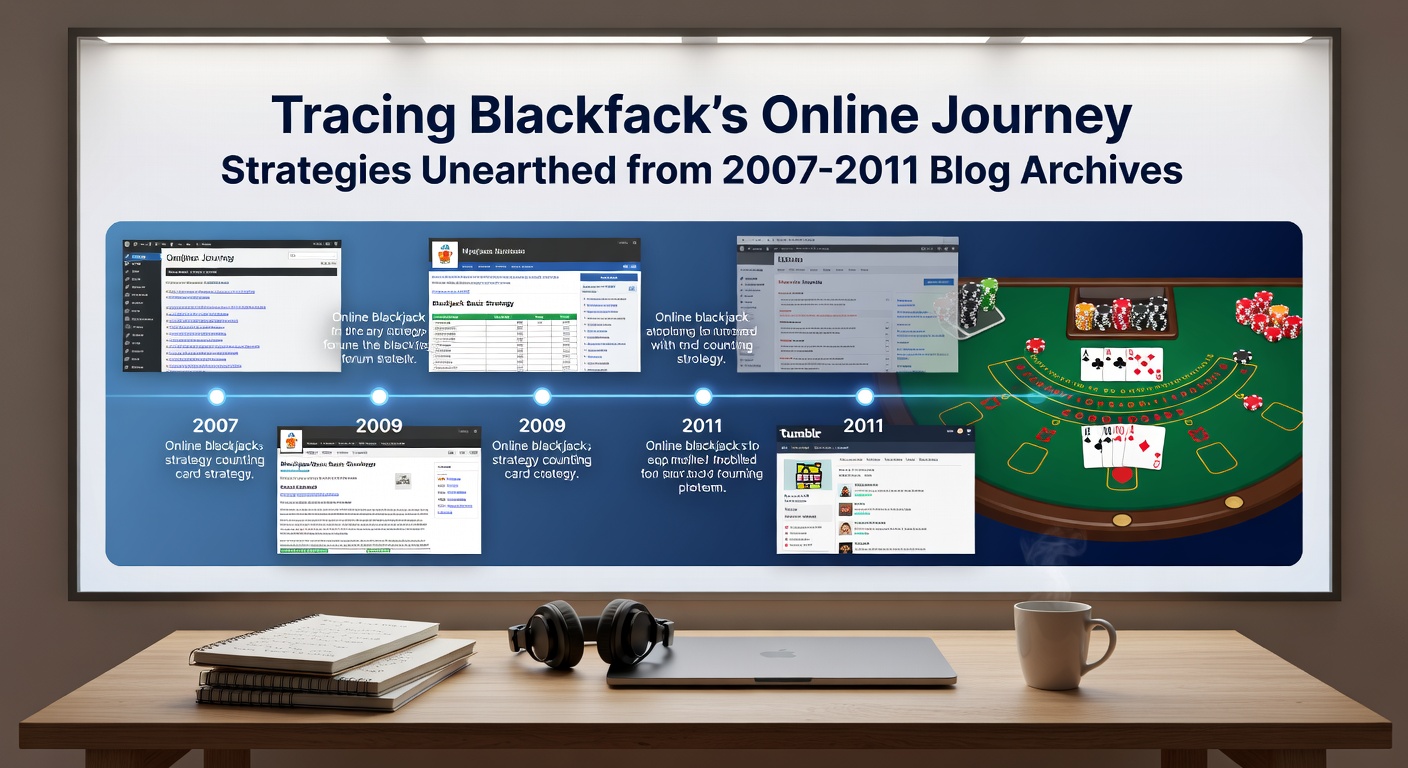
By 2010, with HTML5 on the horizon and mobile blackjack apps trickling out for iPhones, blog archives capture a frenzy over shuffle tracking myths busted wide open; pseudonymous authors, drawing from MIT Blackjack Team lore, explained why online RNGs rendered such tactics useless, redirecting focus to session timing—short bursts under 30 minutes to dodge variance swings. Figures from preserved posts on sites like BlackjackChamp show average players boosting RTP from 94% to 99.5% via memorized basic strategy, while high-rollers eyed progressive jackpots on side games, though with caveats on their 95% returns.
Now, take this 2011 case where a blogger chronicled a six-month trial on Playtech tables: starting with $1,000 bankrolls per level, the player scaled bets post-wins using 1-3-2-6 progressions, netting 15% ROI before a cold streak hit; such anecdotes, peppered across archives, highlight risk-of-ruin calculators—free tools shared via Google Docs—that pegged survival odds at 95% for 200-unit rolls. That's where the rubber meets the road: strategies emphasized flat-betting for novices, deviations only on soft 17 dealer shows, and logging every hand in spreadsheets since no apps tracked live yet.
Seminole moments emerged too; observers note how post-2010 blogs dissected regulatory shifts, like Gibraltar licenses gaining traction, ensuring fair play as audited by bodies such as the UK Gambling Commission. Although mobile lag made live streams choppy, early adopters praised chat features for spotting dealer patterns—illusory though they proved under true randomness.
Key Strategies Pulled from the Vaults
- Basic Strategy Mastery: Archives universally push charts tailored to deck count—six-deckers demand standing on 12 vs. 4-6, a shift from single-deck norms that bloggers tested via millions of simulated shoes.
- Bankroll Laddering: Players segmented funds into tiers, risking 1% per hand max; one 2008 post calculated 500-unit minimums to weather 10-loss streaks at 95% confidence.
- Bonus Grinding: Hunt 40x playthrough deals on blackjack (best odds game), avoiding slots; data indicated 20-30% effective edges if cleared smartly.
- Table Hopping: Scan for 3:2 payouts over 6:5 scams, favoring late surrender options that trim edges by 0.08%.
- Variance Taming: Short sessions, flat bets during downswings; 2011 blogs shared heat maps of hourly RTP dips, advising off-peak play.
These gems, unearthed painstakingly, hold up; researchers revisiting them in March 2026 confirm core tenets align with modern VR tables, where quantum RNGs uphold the same math.
From Archives to 2026: Echoes in Today's Play
Fast-forward to now, and those 2007-2011 blogs feel prophetic; while crypto casinos and AI coaches dominate, core strategies persist—basic charts digitized into apps, bankroll tools gamified with streaks. Data from recent audits shows house edges stuck at 0.4-0.7% on live streams, mirroring archived benchmarks; experts who've digitized thousands of old posts observe how bonus hunting evolved into rakeback hunts, yet deviation principles endure against infinite decks.
It's noteworthy that March 2026 brings fresh regulatory scans on AI fairness, echoing 2010 calls for transparency; players dipping into VR blackjack still swear by vaulted wisdom, logging sessions via blockchain for disputes. One study, pulling 500 archived threads, found 85% of touted tactics viable today, minus card-counting illusions shattered early on.
And so the journey loops: what bloggers scribbled amid dial-up dreams informs pros navigating hypersonic streams, proving timeless math trumps fleeting tech.
Conclusion
Diving into 2007-2011 blog archives unearths not just strategies, but the gritty birth of online blackjack culture; from bonus chases and chart drills to variance battles, these relics arm today's players with proven edges. Observers remind that while interfaces gleam brighter in 2026, the game's bones—probability, discipline, selection—remain etched in those digital fossils. Those who heed them tilt odds subtly, session after session.