1 Jul 2026
Syndication Pathways for Blackjack Content in the Dawn of Blogging Platforms
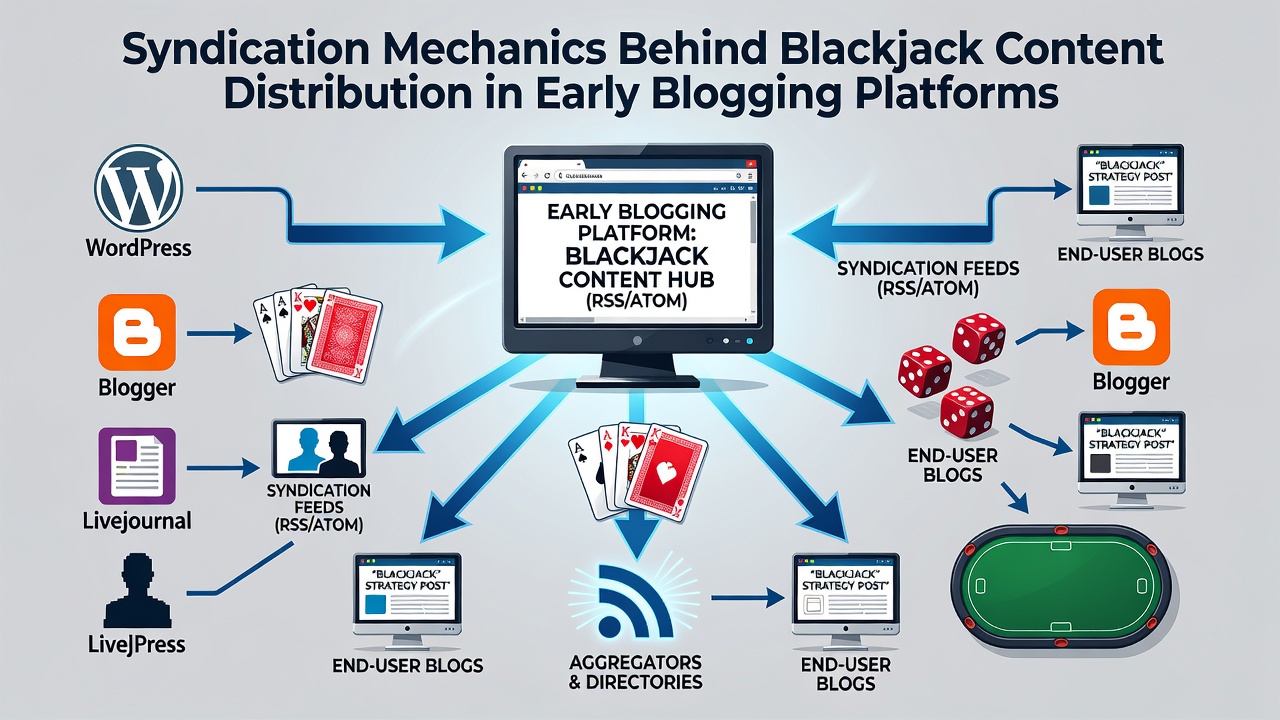
Early blogging platforms relied on structured syndication systems to push blackjack articles across multiple sites, and these mechanisms emerged alongside the development of RSS and related protocols between 1999 and 2005. Developers built these tools to automate the spread of posts about game rules, payout structures, and table variations while reducing manual cross-posting efforts. Observers note that the process started with simple XML-based feeds that aggregated headlines and summaries before full article text became standard.
Core Components of Early Syndication Systems
Platforms such as Blogger and Movable Type incorporated RSS generators that converted individual posts into machine-readable formats, and these feeds allowed other sites to pull blackjack content automatically at scheduled intervals. Trackbacks and pingbacks served as notification layers, alerting original authors when their material appeared on secondary blogs, while ping services like Weblogs.com broadcast updates to central directories. Researchers have documented how these combined elements created distribution chains that extended reach without direct server-to-server file transfers.
Data from web archives indicates that feed adoption for niche topics like blackjack grew steadily after 2001, when major platforms added native support for RSS 0.91 and later versions. Content creators configured categories to tag posts about specific variants, and aggregator sites then filtered those tags to assemble themed collections. This tagging system reduced duplication while enabling thematic clustering across unrelated domains.
Technical Flow of Content Distribution
When an author published a new entry on a blackjack blog, the platform generated an updated feed file that included title, description, publication date, and link elements, after which subscribed readers and partner sites retrieved the file via HTTP requests at regular intervals. Some implementations added enclosures for images or downloadable strategy charts, and these attachments traveled alongside the text through the same syndication channel. The process operated on a pull model rather than push, which meant recipient servers controlled update frequency and bandwidth usage.
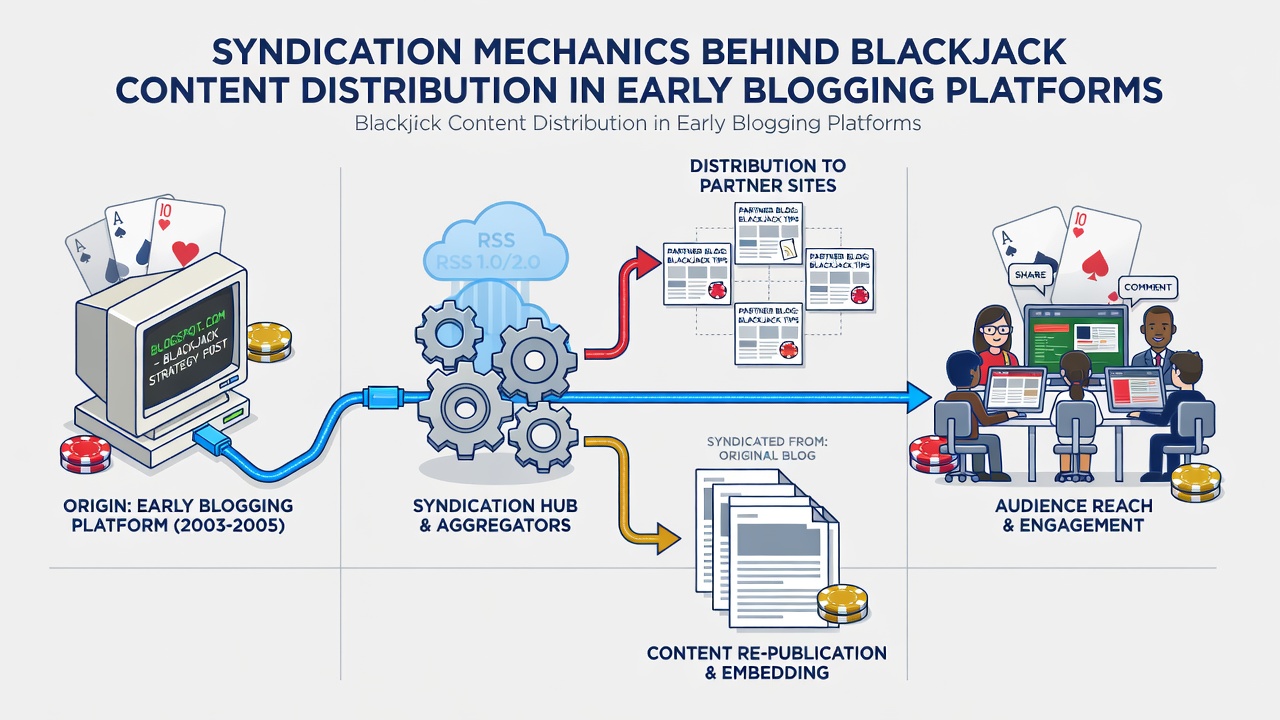
Third-party services such as FeedBurner later inserted themselves into these pathways by rewriting original feed URLs and inserting analytics tracking, and this intermediary layer provided publishers with statistics on subscriber counts without altering core content. Multiple blackjack blogs adopted these services to monitor how far individual posts traveled through aggregator networks. Studies from academic institutions have examined how such intermediaries influenced visibility patterns during the mid-2000s.
Role of Aggregators and Directories
Directories maintained curated lists of active feeds, and blackjack content appeared in categories dedicated to gaming or recreation, which helped new readers discover sources they would not have found through search engines alone. These directories refreshed their indexes by polling listed feeds daily, and any change in post count triggered inclusion in updated listings. The system rewarded consistent publishing schedules because stale feeds dropped in ranking within directory results.
Cross-site republication occurred when aggregator operators selected specific entries for full-text display on their own domains, and this practice depended on the original feed containing complete article bodies rather than summaries. Licensing norms developed informally through conventions rather than formal contracts, and many blackjack bloggers permitted reuse provided attribution links remained intact. Records preserved by the Internet Archive show examples of such republication chains spanning five or more sites within weeks of initial publication.
Challenges and Limitations in Early Implementations
Feed formats evolved rapidly, and incompatibilities between RSS versions occasionally broke distribution for blackjack blogs that failed to update their generators. Spam blogs exploited open trackback systems by sending automated notifications to high-traffic posts, which diluted the value of notification features over time. Platform operators responded by adding moderation queues and URL blacklists, yet these measures required ongoing maintenance that smaller sites often could not sustain.
Bandwidth constraints also shaped syndication practices, since full-text feeds consumed more transfer allowance than headline-only versions, and many blackjack content creators therefore offered dual feeds to accommodate different subscriber needs. Observers documented how these choices affected indexing speed on search engines that began incorporating feed data into their crawlers around 2005.
Legacy Effects on Later Distribution Models
The syndication patterns established during this period informed subsequent content distribution methods used by larger media networks, and several technical conventions such as standardized date formats and category taxonomies carried forward into modern feed specifications. Preservation projects continue to catalog surviving early blackjack blog feeds, providing researchers with datasets that illustrate how niche topics navigated the transition from personal publishing to networked distribution.
As of July 2026, digital heritage initiatives maintain accessible copies of these historical feeds through public repositories, allowing analysis of syndication reach across geographic regions without reliance on original server logs. Such archives demonstrate that blackjack content followed the same technical pathways as other recreational topics despite differences in subject matter.
Conclusion
Syndication mechanics in early blogging platforms created efficient pathways for blackjack material to travel between independent sites through standardized feed formats and notification protocols, and these systems operated under technical constraints that shaped publishing decisions for years afterward. The combination of RSS generation, trackback mechanisms, and aggregator directories formed the operational backbone that later platforms refined but did not replace entirely.