27 Jun 2026
Navigating Overlaps in Game Taxonomies and Archival Frameworks Across Digital Card Platforms
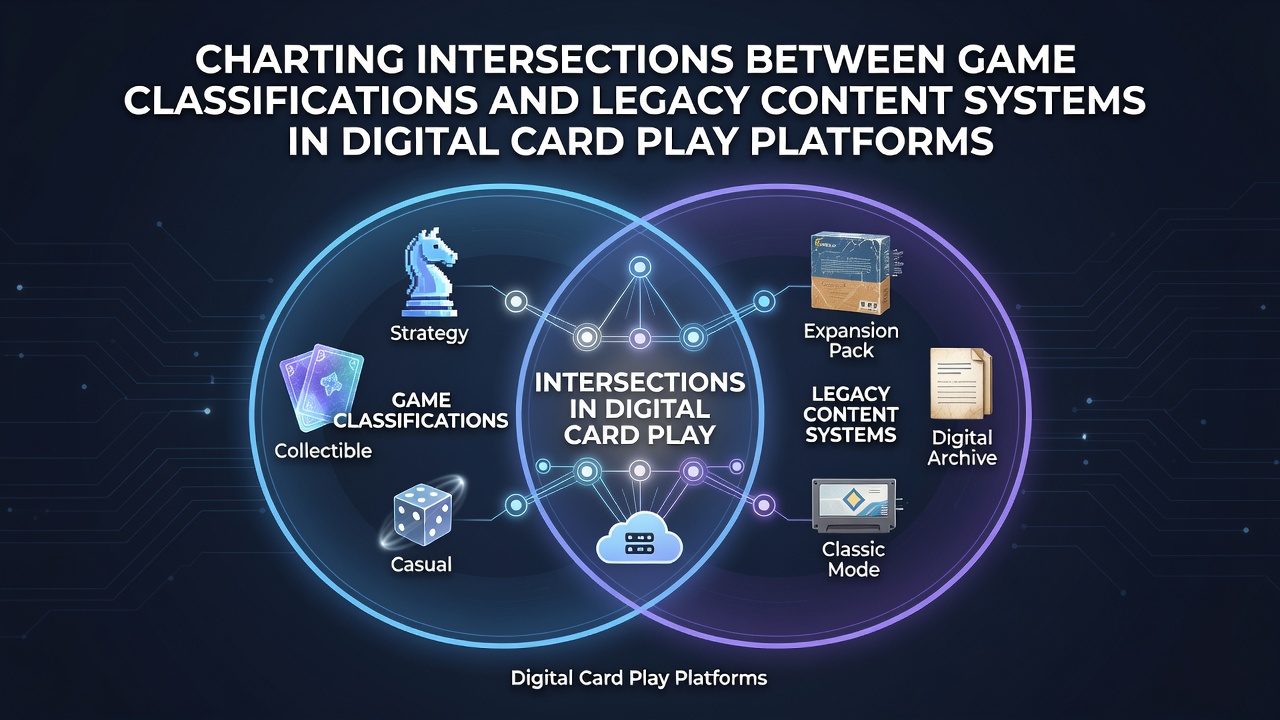
Digital card platforms organize titles through detailed taxonomies that sort games by mechanics such as deck construction, turn-based resolution, and resource management while legacy content systems maintain historical records of cards, matches, and player interactions from earlier versions. These two elements intersect when platforms update classifications yet must preserve access to archived material that follows older schemas, which creates technical and organizational challenges for developers and operators alike.
Core Elements of Game Classifications
Classification systems in digital card environments typically divide content into layers that include core genres like collectible card games and living card games alongside subcategories based on player count, session length, and competitive format. Observers note that platforms apply metadata tags to enable search functions and recommendation engines, and data from industry reports shows these tags evolve as new mechanics emerge. Researchers at institutions such as the University of Alberta have documented how classification updates affect discoverability, with figures revealing that re-tagged items experience shifts in user engagement within weeks of implementation.
Platforms further refine categories through attributes like rarity tiers, expansion sets, and rule variants, which allows users to filter libraries efficiently. And yet the same attributes often appear in legacy archives under different labels, prompting reconciliation processes that merge or map entries across systems.
Structure and Function of Legacy Content Systems
Legacy content systems serve as repositories that store card data, match histories, and artwork from prior releases, frequently using database schemas designed years earlier. These systems support features such as replay viewing and collection tracking, and they must remain operational even after classification changes occur. According to a 2025 analysis by the Interactive Games and Entertainment Association in Australia, many operators allocate significant resources to maintain backward compatibility, with integration costs rising when new taxonomies introduce incompatible fields.
Maintenance involves regular audits that identify orphaned records and migrate them to updated structures without breaking existing user interfaces. Data indicates that successful migrations preserve query performance while adding support for contemporary filters.
Points of Intersection and Technical Implications
Intersections arise primarily during platform updates when new classification rules must accommodate historical entries that predate those rules. Developers address this through mapping tables that translate old attributes into current ones, and such tables require ongoing refinement as both classifications and archives expand. In June 2026 several major platforms plan to roll out unified metadata standards that explicitly address legacy mapping, according to announcements from trade groups tracking digital entertainment trends.
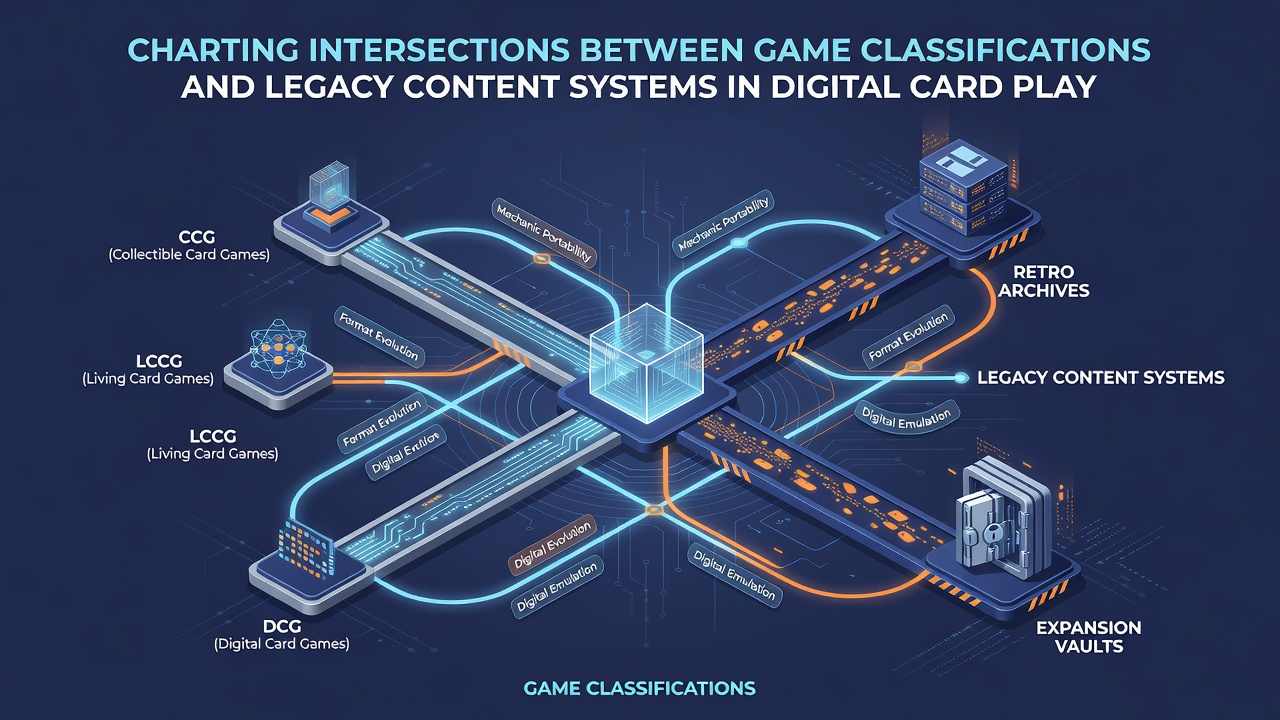
One practical outcome appears in search functionality, where users expect results to include both recent releases and older content under consistent labels. When mappings lag, results become fragmented, and studies from European research consortia have quantified drops in session duration during such periods. Platforms therefore schedule classification reviews in tandem with archive maintenance cycles to minimize disruption.
Another intersection surfaces in content moderation and compliance workflows, where archived material must align with updated regional requirements even if its original classification did not anticipate those rules. Regulatory bodies in Canada and Singapore have issued guidance documents that encourage operators to document how legacy items satisfy current standards through reclassification notes rather than content alteration.
Case Examples from Operating Platforms
Take one established platform that migrated its entire card catalog to a new taxonomy in 2024; the project revealed thousands of entries whose mechanics no longer matched existing subcategories, which led to creation of transitional labels that bridged old and new systems. Observers report that user feedback improved once search tools displayed both legacy and current tags side by side.
Another instance involves a platform that integrated external academic datasets into its legacy archive to enrich historical match statistics. The integration required custom scripts to align dataset fields with internal classifications, and the resulting combined resource now supports research queries from universities studying player behavior patterns over multiple years.
Conclusion
Effective management of intersections between game classifications and legacy content systems depends on coordinated planning that treats taxonomy updates and archive maintenance as linked processes rather than separate tasks. Data from multiple regions shows that platforms investing in mapping infrastructure experience fewer service interruptions and sustain higher user retention across catalog depth. As standards evolve through 2026 and beyond, continued attention to these overlaps will determine how comprehensively digital card platforms preserve and present their full histories.