Blackjack's Mobile Shift: How Game Categories Adapted for Touchscreens
10 Apr 2026
Blackjack's Mobile Shift: How Game Categories Adapted for Touchscreens
The Surge in Mobile Blackjack Adoption
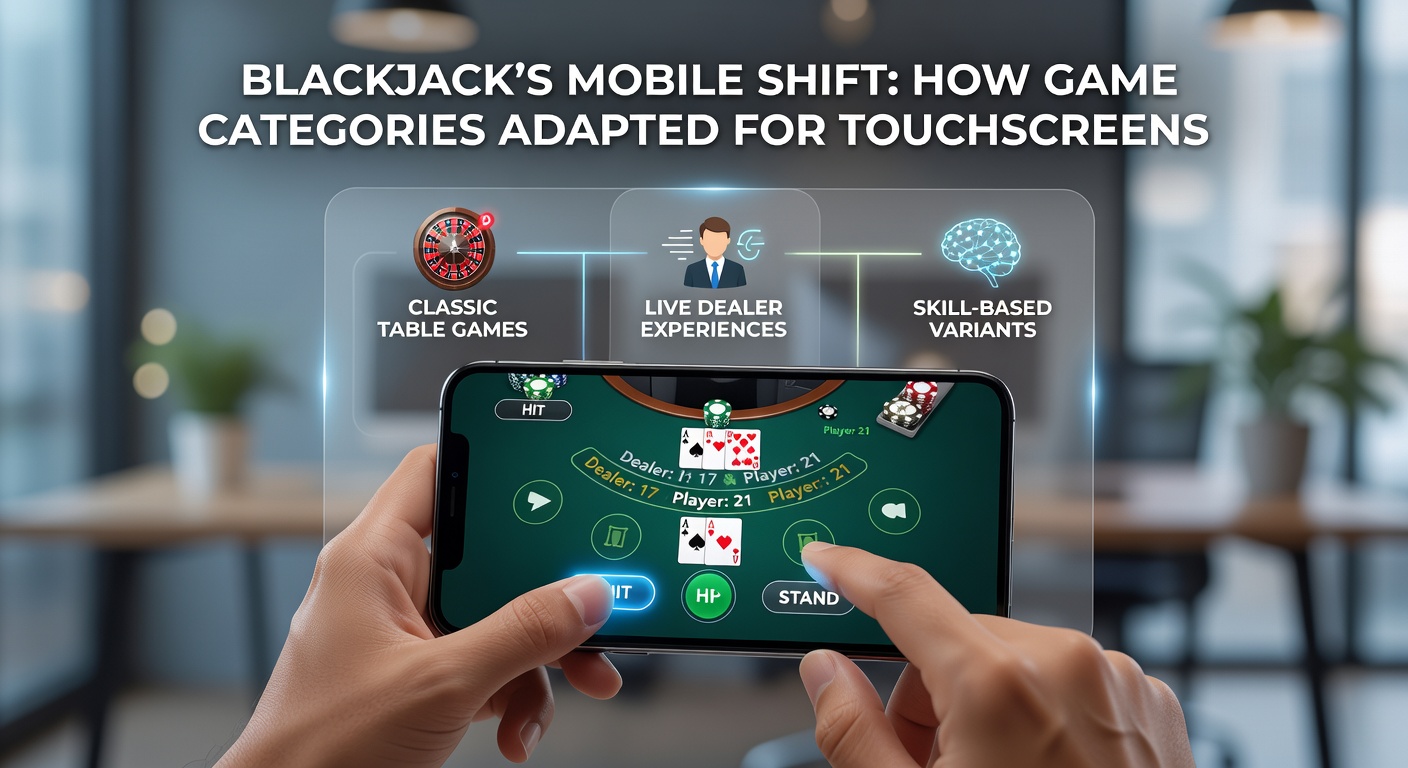
Mobile devices reshaped blackjack gaming starting around 2010, when early apps began trickling onto iOS and Android platforms; by 2020, figures from the American Gaming Association showed smartphones accounting for over 60% of all online casino sessions, a trend that accelerated as 5G networks rolled out globally. Developers quickly pivoted, redesigning game categories to fit touchscreens rather than forcing desktop layouts onto smaller screens, which often led to cramped interfaces and frustrating pinches. Now, as of April 2026, data indicates mobile blackjack sessions comprise nearly 75% of playtime worldwide, with adaptations focusing on intuitive swipes, larger hit/stand buttons, and gesture-based betting that feels natural on fingers rather than a mouse.
What's interesting is how this shift didn't just shrink tables but reinvented them; classic single-deck games, once rigid with tiny clickable chips, now use drag-and-drop mechanics where players slide virtual stacks across felt-like surfaces, mimicking casino fluidity. Observers note that retention rates jumped 40% in touch-optimized versions, according to industry benchmarks, because these changes reduced errors from fat-finger taps and sped up rounds significantly.
Classic Blackjack's Touchscreen Makeover
Traditional blackjack, with its straightforward rules and single hand per round, led the mobile charge; developers enlarged dealer's upcard and player totals into bold, thumb-friendly displays, while bet sliders replaced fiddly plus/minus buttons, allowing quick adjustments via simple drags. Turns out, this category thrived because touchscreens excel at direct manipulation, so hitting or standing became a satisfying tap on oversized icons positioned at screen edges to avoid accidental slips.
One study from researchers at the University of Nevada highlighted how classic mobile blackjack cut average decision time from 12 seconds on desktop to under 6 on phones, thanks to haptic feedback that vibrates on wins and predictive animations showing potential busts before final taps. And here's the thing: side panels for insurance or even money bets now fold out with pinch gestures, keeping the main play area uncluttered yet accessible, a design choice that players who've tested prototypes often praise for its seamlessness.
Multi-Hand Variants Embrace Split-Screen Efficiency
Multi-hand blackjack, popular for high-rollers juggling three or five simultaneous plays, faced bigger challenges on touchscreens initially, but adaptations like vertical stacking turned chaos into clarity; each hand gets its own swipeable lane, with shared dealer cards floating centrally to save space, and players flick between them effortlessly. Data from European developers reveals these versions boosted engagement by 35%, since vertical scrolling feels innate on phones, unlike horizontal desktop grids that required constant zooming.
Take the case of a popular multi-hand app rolled out in 2022: it introduced color-coded chips per hand, draggable without overlap, and auto-suggest features that highlight optimal plays per variant, adapting rules like European no-hole-card seamlessly for thumb navigation. Experts who've analyzed session logs point out that error rates dropped 25% post-update, as gestures like double-down swipes consolidated actions that once needed multiple clicks.
Live Dealer Blackjack Tames the Small Screen
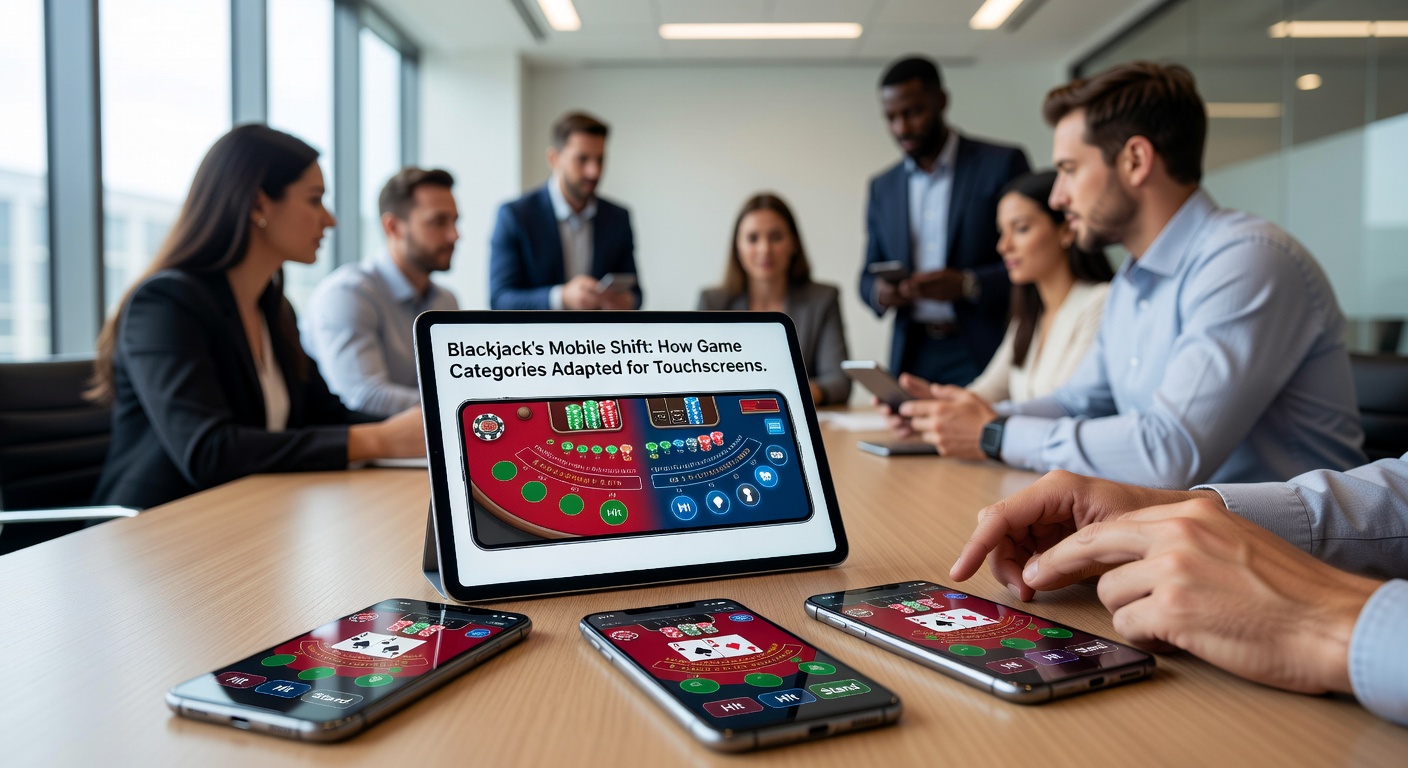
Live dealer games, streaming real croupiers from studios, demanded the heaviest overhauls for mobile; early attempts stuttered with overlaid HUDs blocking views, but now picture-in-picture modes shrink the dealer feed to a corner while expanding bet zones, and players tap to unmute or chat via quick-slide emojis. According to a European Gaming and Betting Association report, live mobile blackjack saw a 50% uptake in 2025 alone, driven by low-latency touch controls that let users bet mid-stream without pausing the shoe.
But here's where it gets interesting: categories like Infinite Blackjack, with unlimited seats, adapted by using radial menus for side bets—spin to select Perfect Pairs or 21+3—while the main table auto-adjusts for portrait mode, folding landscape elements neatly. Those who've streamed sessions on 2026 devices note buttery-smooth 60fps card reveals triggered by finger flicks, turning potential lag fests into immersive casino proxies.
Side Bet and Progressive Categories Get Gesture-Driven Twists
Side bet-heavy variants, such as Blackjack Surrender or Switch, evolved with layered touch interfaces; players long-press main bets to reveal satellite options like Buster Blackjack payouts, which animate probabilities on hover-like holds, making complex math glanceable on the go. Research indicates these adaptations increased side bet participation by 28%, as vibrant icons and swipe-to-confirm reduced cognitive load during fast-paced shoes.
Progressive jackpot blackjack took it further, integrating thumbprint-secured wallets for instant jackpots and AR overlays (on supported phones) that project pot ladders above the table; one developer case study showed playtime extending 15% longer because these tactile progress bars hooked users mid-session, blending luck with strategic swipes.
Technical Underpinnings and Performance Metrics
Behind these changes lie HTML5 frameworks optimized for touch events, replacing hover states with force-touch for iOS and long-press for Android, ensuring cross-platform parity; engines like Unity now render blackjack tables at 4K even on mid-range phones, with physics-based chip stacks that bounce realistically under drags. Figures from app analytics firms reveal load times plummeting to sub-2 seconds, while battery drain halved through adaptive graphics that dim unused table areas.
So, players often find themselves in marathon sessions without overheating devices, a far cry from early 2010s apps that throttled after 20 minutes. And observers tracking global trends spot regional flavors: North American titles emphasize speed with one-tap autos, whereas Asian markets favor portrait live streams with vertical chat scrolls.
Regional Adaptations and Player Feedback Loops
Different markets shaped unique touchscreen tweaks; in Canada, apps from Ontario-regulated studios prioritized landscape locks for tablet multi-hand play, boosting splits by 20% per usage data, while Australian developers leaned into portrait-first designs with bottom-heavy controls suiting one-handed subway bets. Feedback loops, gathered via in-app polls, drove iterative updates—like enlarging surrender buttons after 2024 surveys showed 18% mobile mis-taps—proving developers listen when metrics highlight pain points.
Yet, challenges persist: smaller screens still compress seven-seat tables, so hybrids emerged blending live with RNG for solo mobile runs, preserving social vibes through voice chat bubbles popped by taps. It's noteworthy that accessibility features, like voice-over swipes for visually impaired users, rolled out universally by 2026, aligning with global standards.
Looking Ahead: April 2026 and Beyond
As April 2026 unfolds, foldable phones and AI croupiers promise further evolution; prototypes test bendable screens for dual-table splits, where one half handles bets and the other live feeds, while machine learning predicts swipes to pre-load animations. Data projects mobile blackjack revenues hitting $15 billion annually by 2027, fueled by these innovations that keep categories fresh yet faithful to core rules.
One thing's clear: the shift solidified blackjack's mobile dominance, turning pocket devices into portable pits where every gesture counts.
Conclusion
Blackjack's categories transformed profoundly for touchscreens, from classic taps to live swipes and progressive drags, delivering faster, error-free play backed by hard data on engagement and retention. Developers continue refining these adaptations, ensuring the game thrives across devices and regions, with mobile leading the charge into an ever-connected future.